


Mitral stenosis – early stages
Balloon dilatation or (BMV).
Mitral valve lies between left atrium & left ventricle & its function is to open & close.
Oxygenated blood comes from lungs to left atrium, & then via two leaflets of mitral valve blood passes to left ventricle for distribution to body organs by contraction of left ventricle. When left ventricle contracts at that time Mitral valve closes & aortic valve opens to allow blood to go to body.
Normal mitral valve function is to regulate blood flow in right direction to body & not backwards to lungs. With each heart beat two leaflets of Mitral valve come together & close to prevent backward flow of blood. When heart relaxes leaflet of Mitral valve also relax & open the valve and blood comes to left ventricle. This cycle continues as normal heart function.
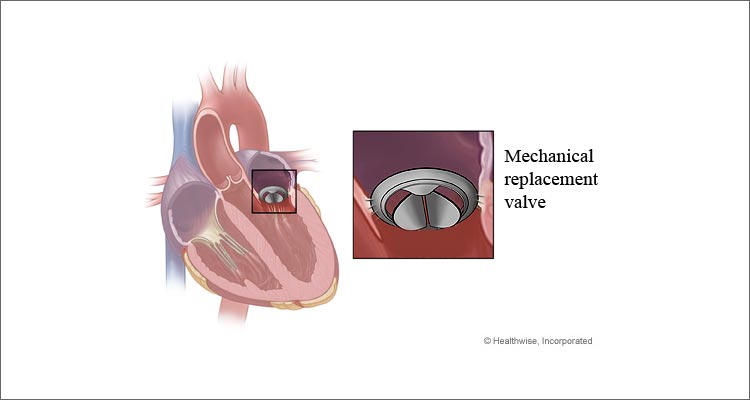
The disease
Congenital malformations / genetic disease.
Mostly rheumatic infection, bacterial endocarditis, fungal infections or others.
Degenerative valvular calcifications.
Supporting muscle system damage following heart attacks.
Tumors etc., IHSS / HOCM.
These diseases damage mitral valve & cause either narrowing (stenosis) or leakage (regurgitation).
Condition
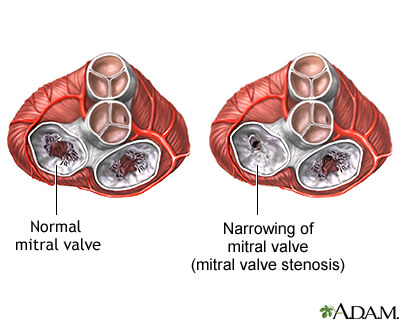
It is narrowing of mitral valve opening due to various causes which leads to accumulation of blood in left atrium & later on in lungs as back flow resulting in dilatation of left atrium then right ventricle which results into right sided heart failure.
Mitral valve does not close adequately due to disease, blood regurgitates from left ventricle to left atrium every time when left ventricle contracts. This ultimately leads to heart failure.
Treatment options
Balloon dilatation or (BMV).
When valve is still not significantly damaged then – CMV or open mitral valvotomy.
1) Mitral valve repair
2) Mitral valve replacement
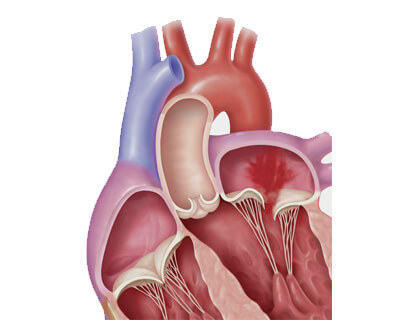
Non surgical: Mitra clip device.
Open heart surgery: 1) Mitral valve repair 2) Mitral valve replacement.
Mitral valve surgery
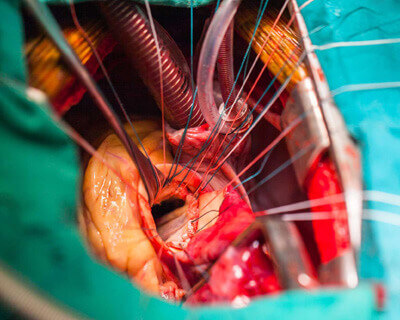
Mitral valve surgery is usually considered with all investigations like Echo / cardiac MRI show the stages of mitral valve damage. Surgeon takes appropriate option of surgery depending on these findings. Mitral valve surgery may be performed as minimally invasive procedure / key hole, robot assisted surgery or full open heart surgery depending upon extent of disease, comorbidities, risk factors, feasibility & long term successful results.
Dr. Pavan Kumar is senior heart surgeon specialist in mitral valve surgeries. He has experience of 35 years in this specialized heart surgery field & has performed over 2000 mitral valve replacement / repair heart surgeries. This is his specialist domain & his given success rate of above 99% in all sets of Mitral valve surgeries.
To contact a Mitral valve replacement specialist write to info@drpavankumar.in or call 9820160600.
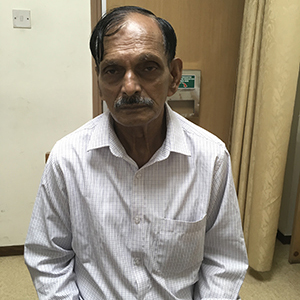
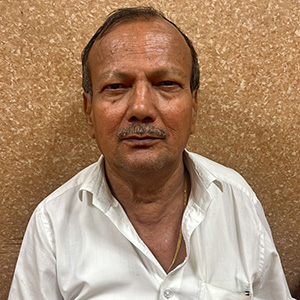
Successfully treated
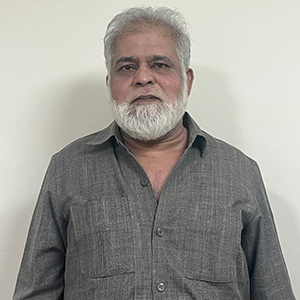
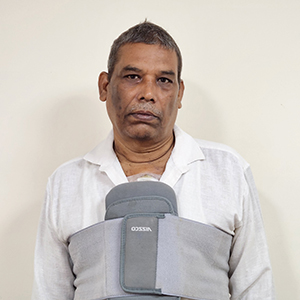
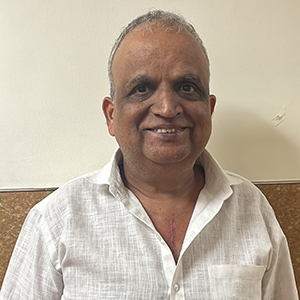
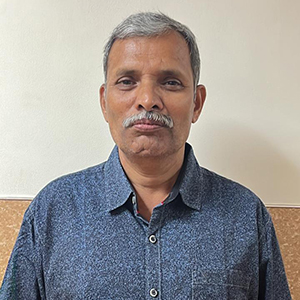
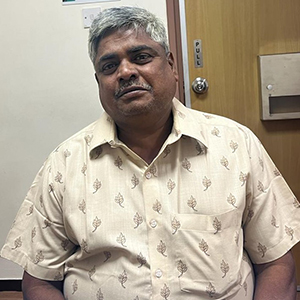
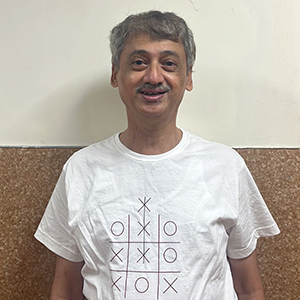
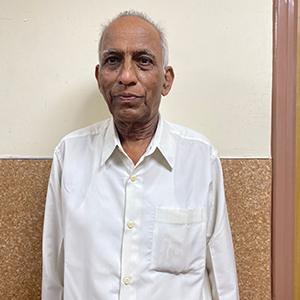
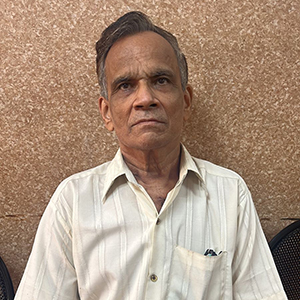
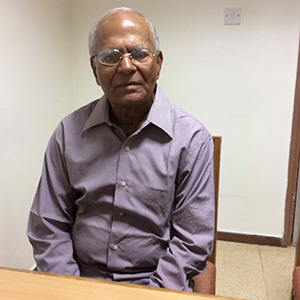
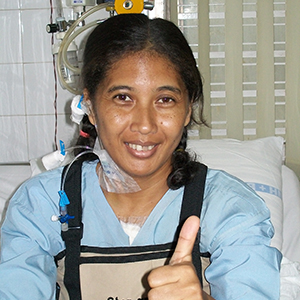
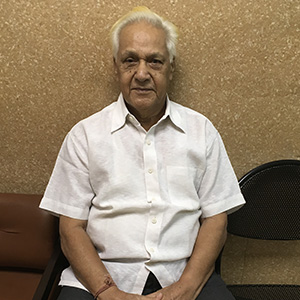
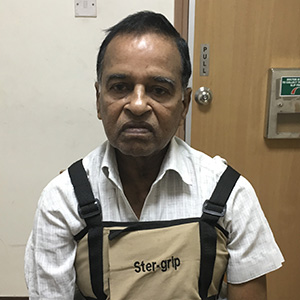
A few of the many patients who returned home to a normal life after bypass surgery with Dr. Pavan Kumar. Use the arrows, dots or arrow keys to browse.










Same number, any of the four hospitals. We usually respond within the same working day.